What is Anima?
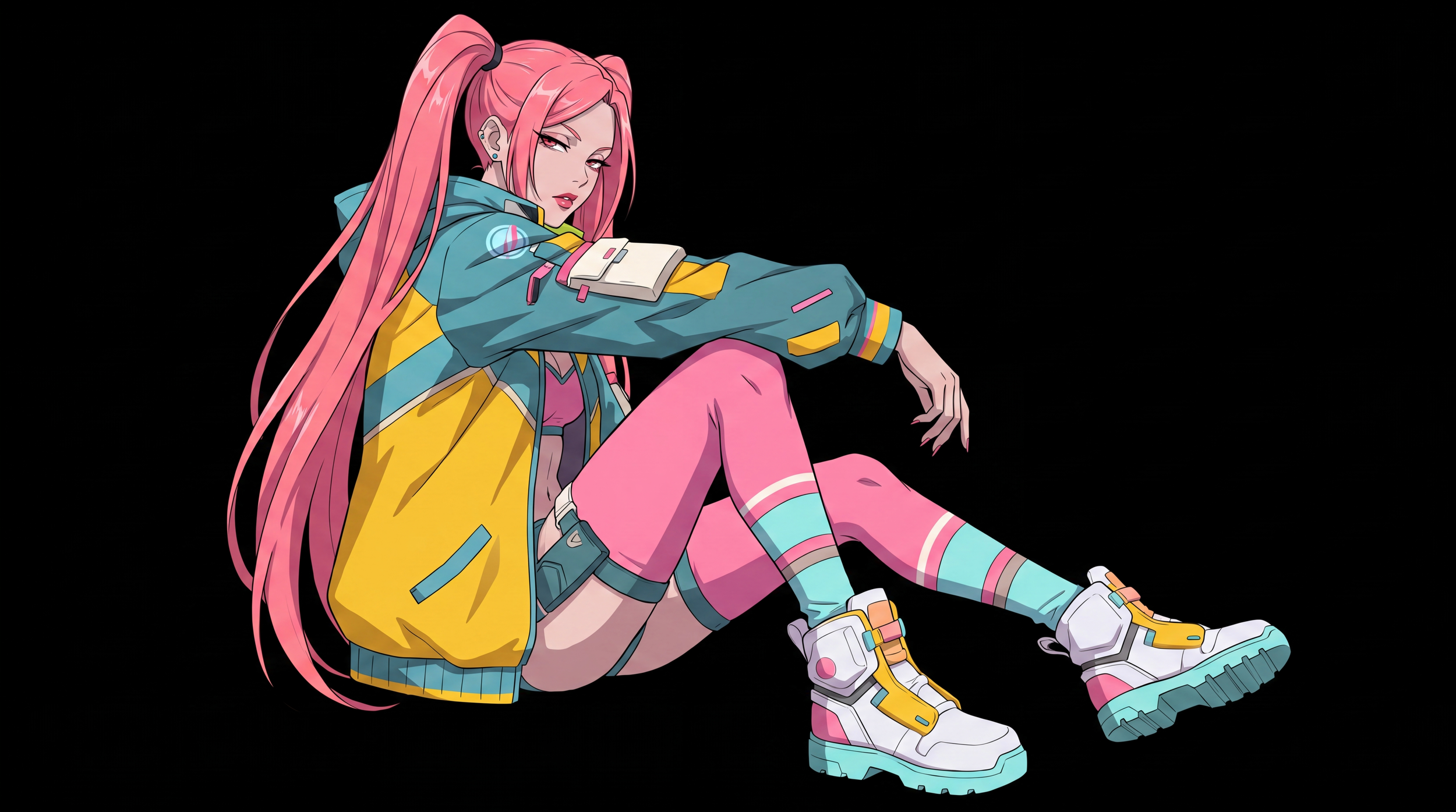
Anima is Japanese-inspired animation.
Anime is Japanese animation.
The term anime is often thrown around to describe any animation that has Japanese influence though.
Shows like Castlevania and Blue Eye Samurai for instance.
While these shows undoubtedly have a ton of anime influence, they’re not actually made in Japan, by Japanese studios.
But they still have that have certain elements about them that we don’t yet have any other way of explaining.
Anima is a term coined by Lion El Aton to solve this exact problem.
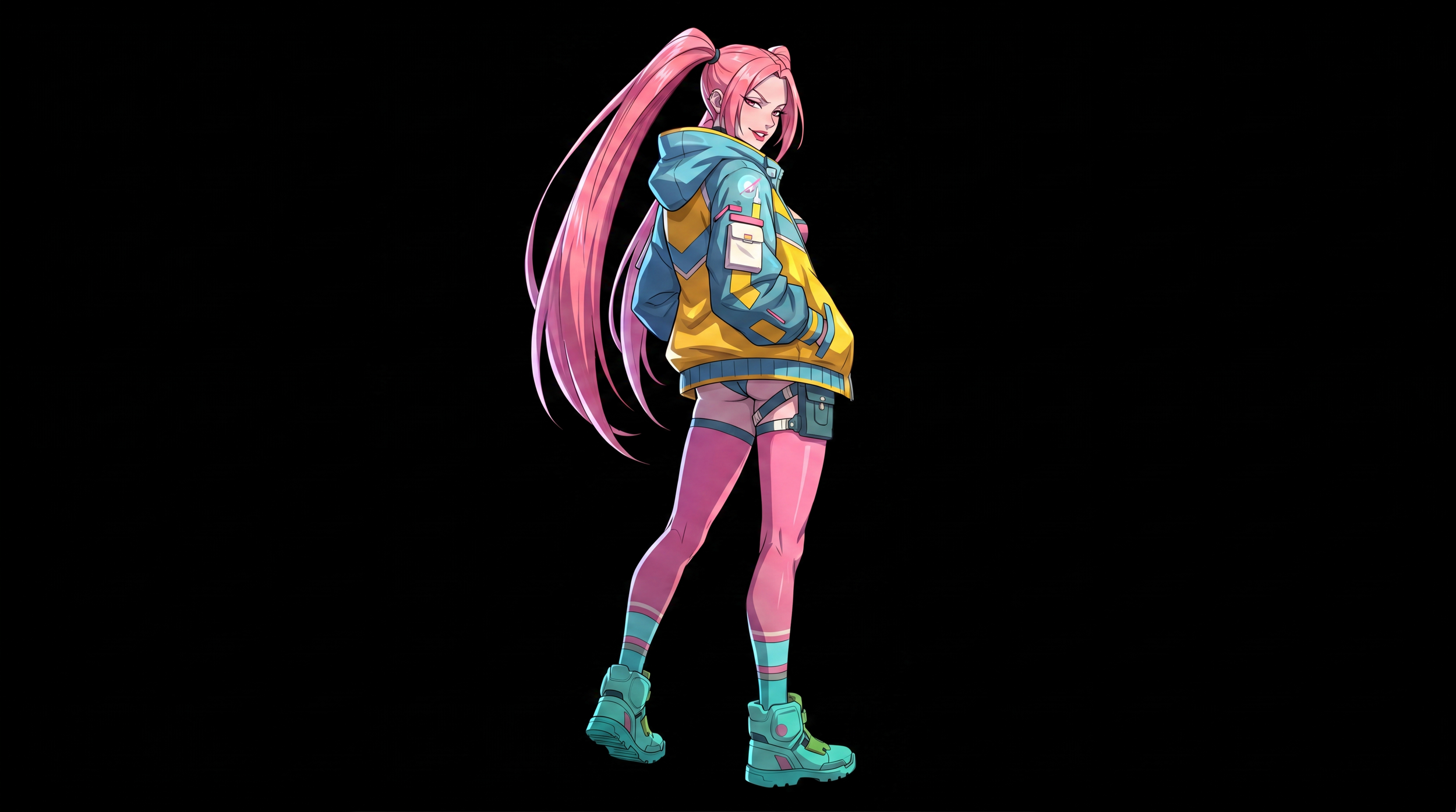
So how do we know what’s anima, and what’s just animation?
Well, you kind of know it when you see it. It’s a spectrum.
You could ask, “How Japanese-inspired is it?” For shows like Avatar: The Last Airbender, this is easy.
Its primary influences are actually from Chinese culture, from the kung fu, to the wardrobe, to the character names, but the anime influence is still obvious and undeniable.
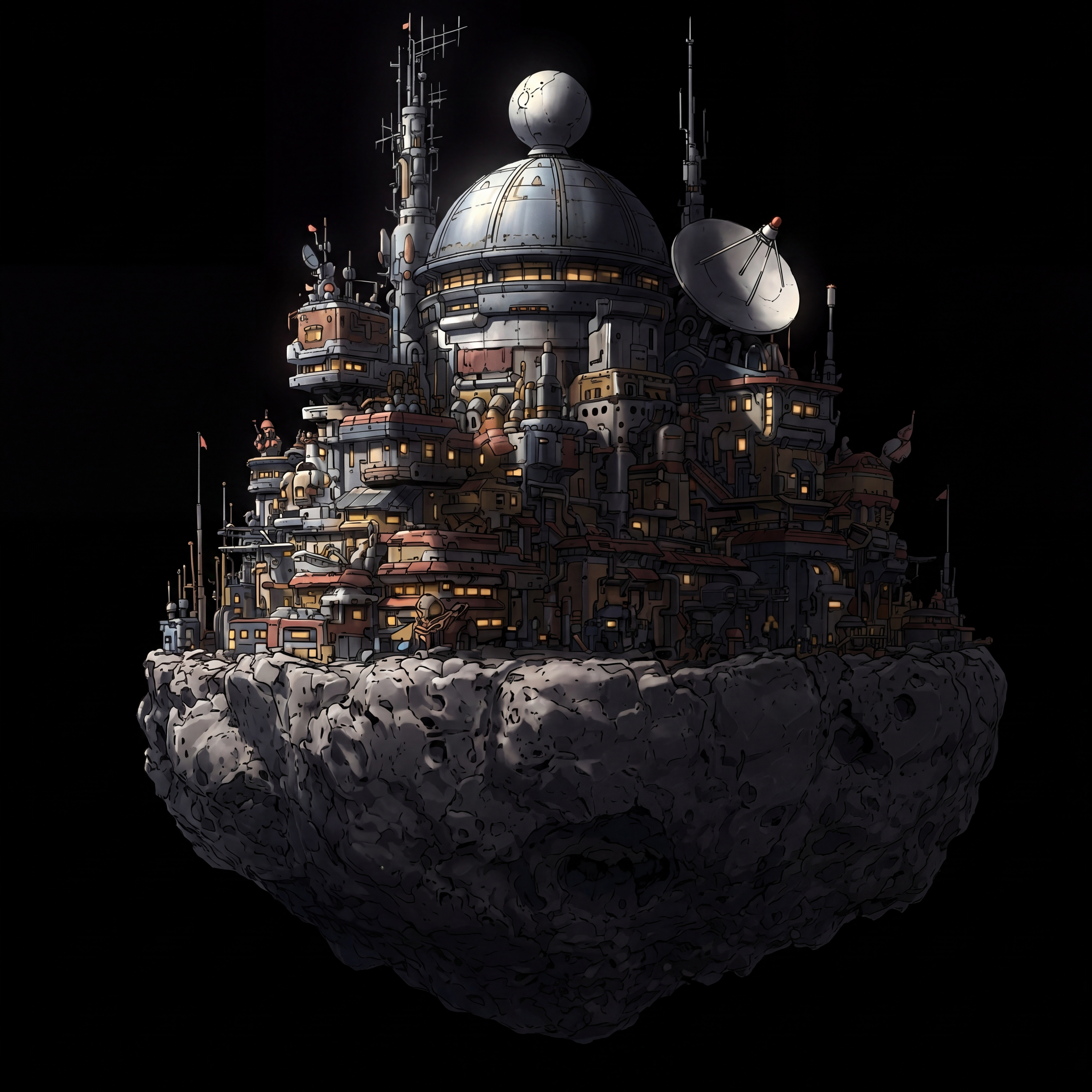
Other shows and films may be a bit harder to categorize though.
Pantheon for instance also has a ton of clear Japanese influences, from much of the animation, to the character design, to direct homages to anime like Ghost in the Shell.
But then take a show like Scavengers Reign. It is an animated show, but its primary influences actually seem to stem from French art and animation form the likes of the late great Moebius.
It does still have some Japanese influences, and the creators are no doubt fans of anime, but this one may just tow the line of what is considered Japanese-inspired.
It would still be fair to say Scavengers Reign is anima though.
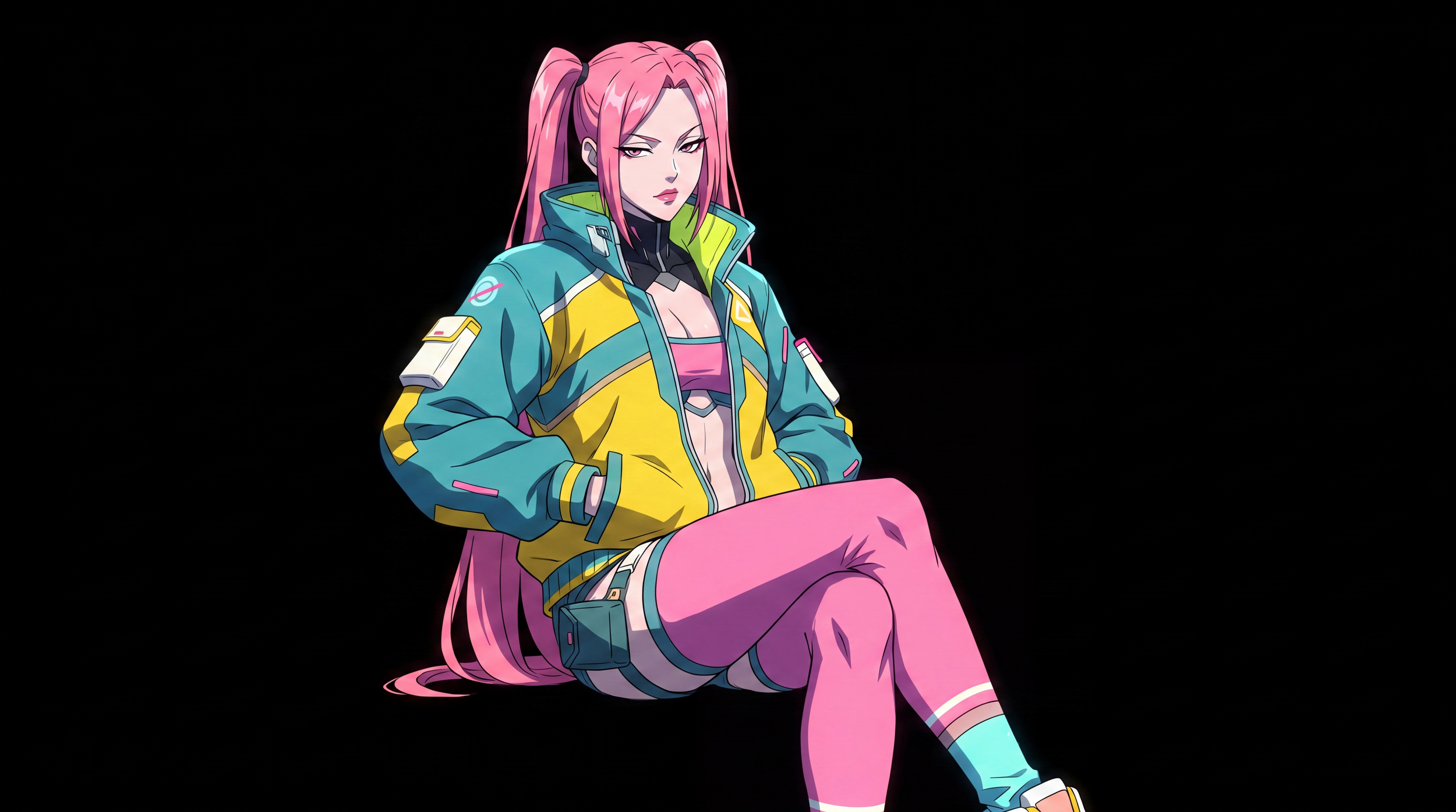
Then you have Solo Leveling, which is a hit based on a popular Korean manwha (their version of manga or comic books).
While it’s technically of Korean origin, it was animated by a Japanese studio, so it’s fair to call it an anime.
At the same time, the culture, locations, and characters in Solo Leveling are either Korean, or are from a Korean perspective, so it’s fair to call it anima as well.
Anima means all Japanese-inspired animation, which includes anime, in much the same way animation includes both anima and anime.
So the goal isn’t to nitpick about what is and isn’t anima. Instead, anima is meant to serve as a safe catch-all term people can use without stepping on anime’s toes.
It’s a way to celebrate anime’s enormous impact on the rest of the world, from America, to France, to China, while also celebrating those countries contribution to the broader culture it inspired.
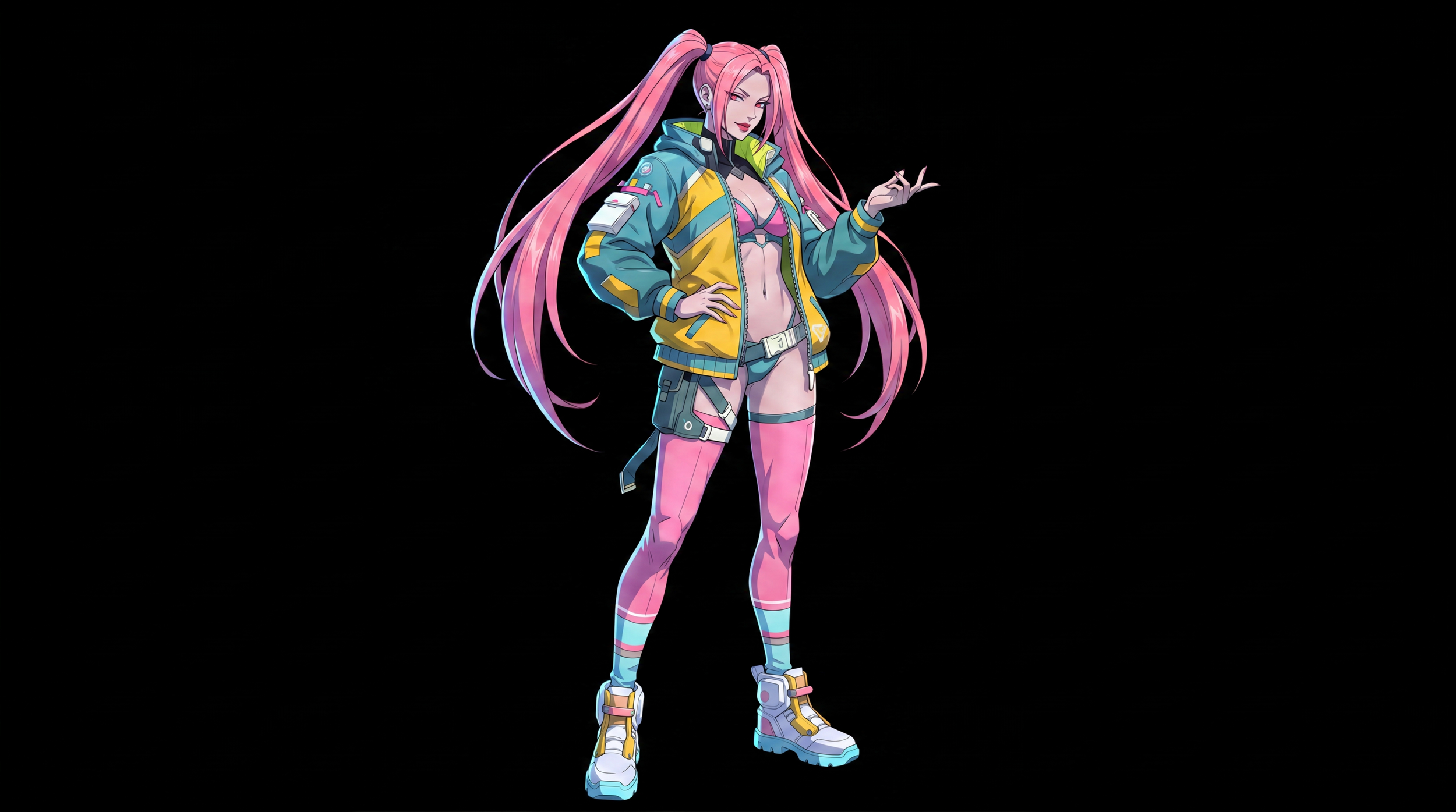
So for simplicity:
Anime = Japanese animation
Anima = Japanese-inspired animation
Now you’re probably wondering, what are some of the best anima?
Well you’re in luck, that list is coming up soon.
See ya Space Cowboys…